
Better Data for a Better Hawai‘i: Reflecting on Seven Years
Amid the exciting transition for our organization announced earlier this month, we are reflecting on how our work and mission have evolved since launching Hawai‘i Data Collaborative (HDC) seven years ago. In this post, we highlight previous posts that speak to that journey, including the partnerships and change leaders who inspired us in working toward better data for a better Hawai‘i.

The Danger of Letting Data Define the “Thing” (October 2019). In our inaugural post, we reflected on the challenge of applying a research mindset to the very real circumstances and consequences of using data to measure community well-being. We offered that most approaches to measuring community well-being use models not developed by or with communities and rely on existing data that was not collected for that purpose. Consequently, well-intentioned reports often define well-being for communities, resulting in profiles of outcomes inconsistent with the lived experience of those communities.

“We Don’t Feel ‘Poor’”: How Vibrant Hawai‘i’s Lived Experience Data Is Shaping Community Understanding and Decisions (October 2020). Building on the concerns about repurposing existing data to measure community well-being, and amid the COVID-19 pandemic, when decision makers were especially challenged by a lack of data to understand household and community need, we sought to elevate community-led alternatives. This piece profiled the work of Janice Ikeda and her team at Vibrant Hawai‘i in addressing the limitations of data and data products not produced in collaboration, or even consultation, with community, and their exploration of alternative data solutions “for us, by us, and with us.”
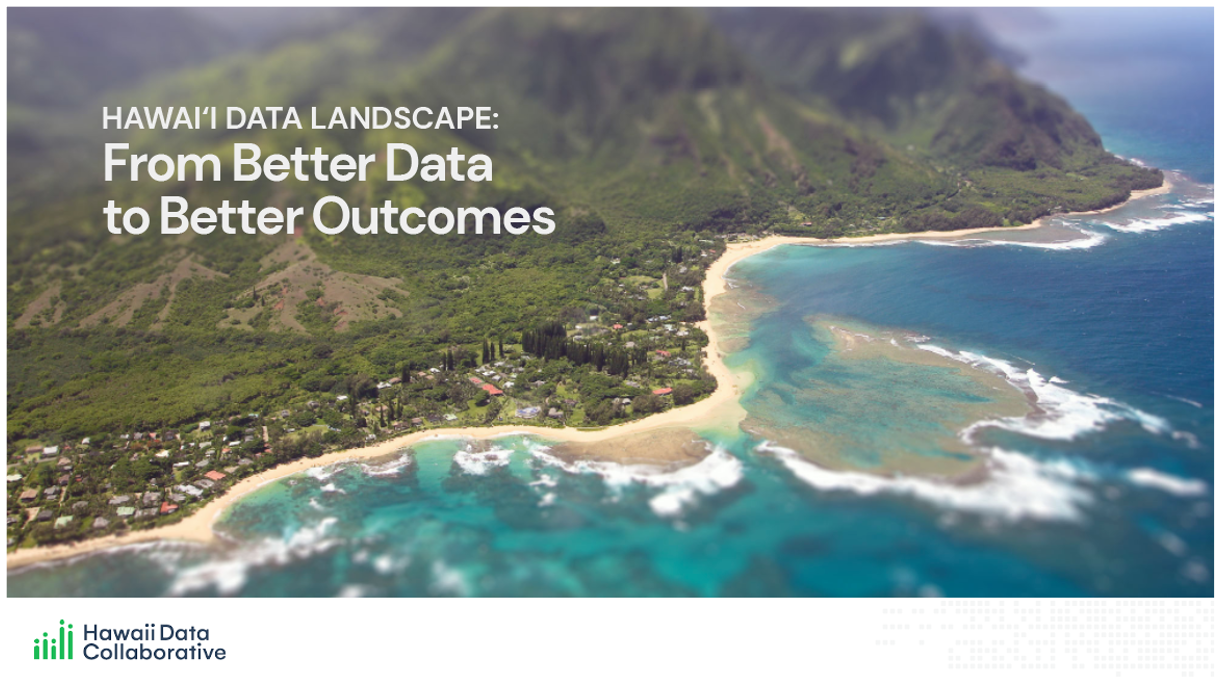
A Report on Hawai‘i’s Data & Evidence Landscape (April 2021). In early 2021, we shared the first of our three reports on the Hawai‘i Data Landscape, where we sought to learn from a broad set of stakeholders across sectors and perspectives, including community advocates, philanthropists, government leaders and non-profit executives. The report shared both diverging perspectives across stakeholders and areas of agreement on the topics of data capacities, data culture, and the interactions between them. It was the first of many deep engagements with stakeholders that would inform how our mission evolved over time.

Cultivating a Data Culture Is Mission-Critical at Waikiki Community Center (July 2022). Based on feedback from the community, we committed HDC to building data capacity among partners deeply committed to their communities and the importance of data not only to improve organizational effectiveness but also to elevate community need. In this post we shared a discussion with Caroline Hayashi, President of Waikiki Community Center (WCC). Readers learned about Caroline’s work to transform processes and prioritize data for program effectiveness, and the “data tips” that she would offer to other non-profit leaders seeking to do the same.

Reimagining the Role of Data in Philanthropy (September 2023). Building capacity to strengthen the Hawai‘i Data Landscape led us to many inspiring discussions with leaders across non-profits, government and philanthropy. One deep discussion that shaped our view of philanthropy’s role in data capacity building was with Sulma Gandhi of the Stupski Foundation. In this article we shared Sulma’s experiences of power differentials between grantees and funders, and her view of how data capacity building priorities should be less about funder reporting requirements and more about data that best serves community. She believes that funders are well-placed to ease the reporting burden and fund data capacity building that is responsive to what grantees truly want to do with their data.
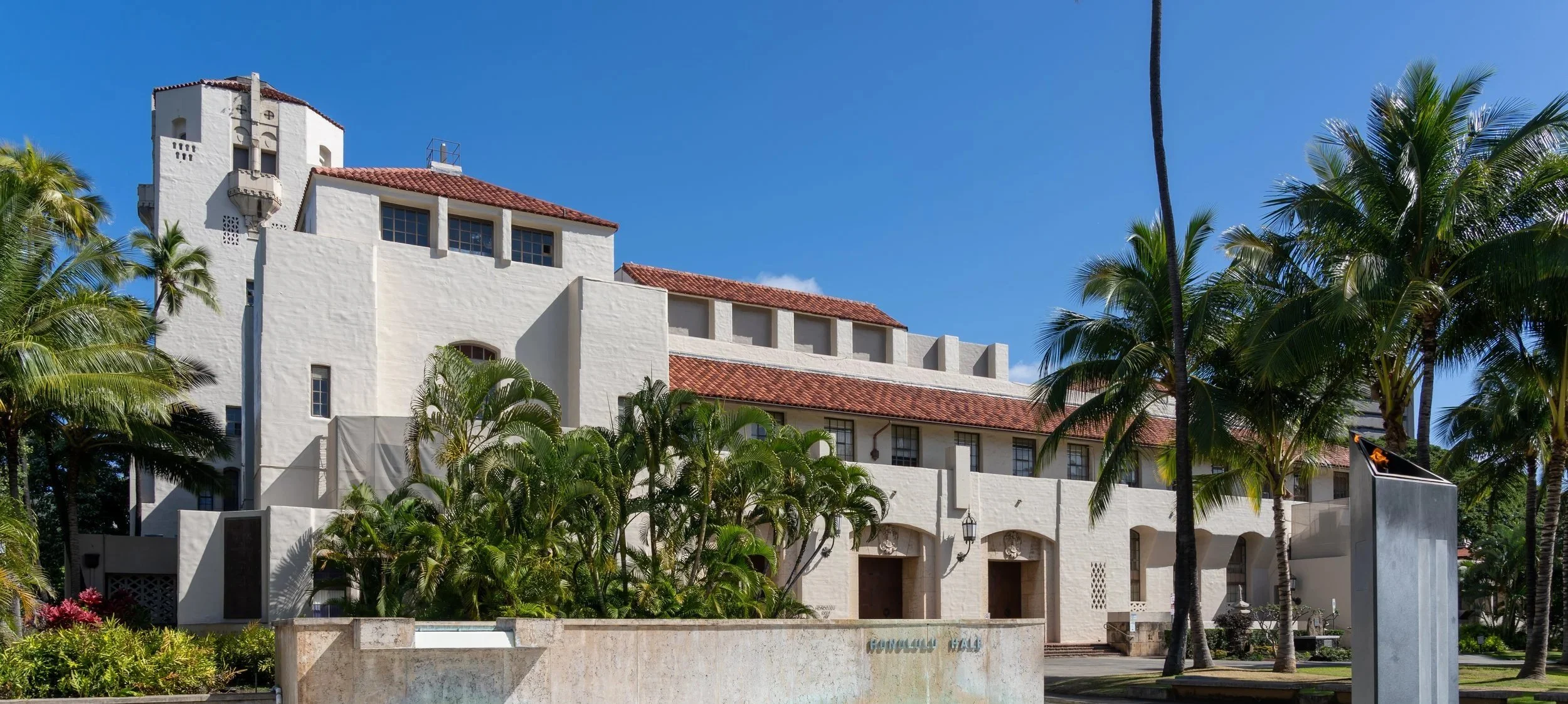
Meet the City and County of Honolulu’s First Chief Data Officer: Kira Chuchom (August 2024). In April 2024, the City and County of Honolulu welcomed its first Chief Data Officer, Kira Chuchom, after a process of deep work within the Managing Director’s Office, and with the City Council, to develop and fund the position. We at HDC were grateful to be included in this process and to have had the opportunity to partner with Kira to transform the City’s approach to data. While individual agency data initiatives and projects can move the needle on the City’s data capabilities, choosing to institutionalize the ability to transform data City-wide was potentially revolutionary.
Note: In the November 2026 election, voters will decide whether to codify the Chief Data Officer role and a new Office of Data and Innovation in the City Charter, providing the opportunity to ensure both continue regardless of shifts in City leadership priorities.
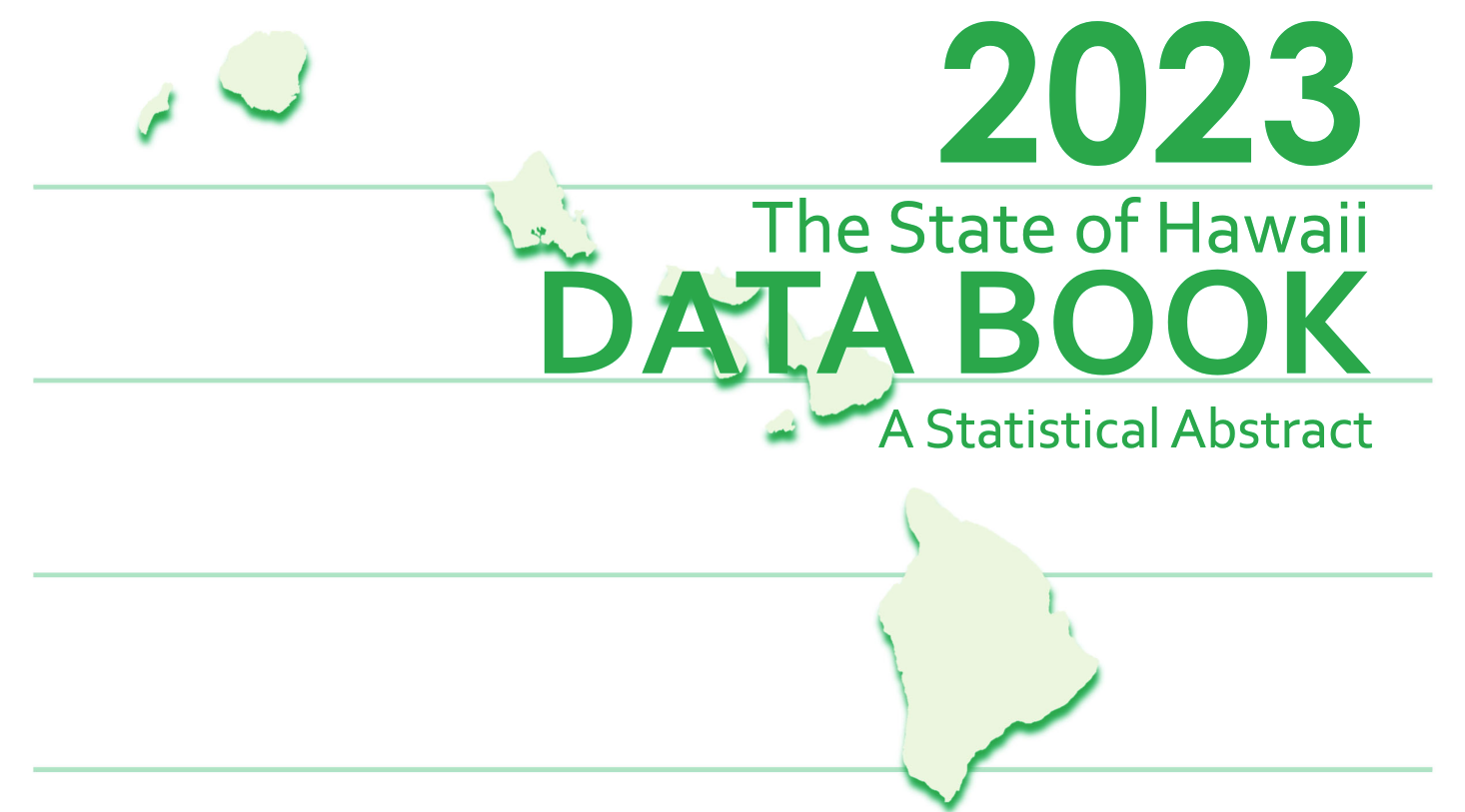
How Dependent Are We on Federal Data? (June 2025). Last year, only a few months into the new U.S. presidential administration, Hawai‘i faced deep uncertainty about the future of federal government support for, and alignment with, local needs and values. We became concerned about the longer-term impacts to Hawai‘i resulting from potentially significant changes to federal statistical data. In this article we reported the results of an analysis that found that of the 842 data tables in the State of Hawai‘i Data Book, more than half (52%) relied wholly or in part on federal data sources. We used the article to highlight the risk of declining federal data availability and quality, and the need to explore local alternatives.
A common thread that runs through these stories is the conviction that data serves communities best when it is shaped by the people it describes. That conviction guided our work, from questioning how well-being is measured to helping institutionalize data capacities with community leaders. As we prepare to sunset HDC in the coming months, we are deeply grateful to the partners, community leaders, and supporters who shaped this journey. We hope the relationships, ideas, and capacity built along the way will carry forward the work toward better data for a better Hawai‘i.